• Skip to content

Primary

  • Home
  • Modern Classics
  • Architecture
  • Historic
  • About
  • Contact
  • Back
  • Guggenheim New York - F. L. Wright
  • St. Mary’s Cathedral, Tokyo – Kenzo Tange
  • Neue Nationalgalerie – Mies van der Rohe/David Chipperfield
  • James Simon Gallery – David Chipperfield
  • Jewish Museum, Berlin – Studio Libeskind
  • Fallingwater - F. L. Wright
  • Guggenheim Bilbao - Frank Gehry
  • IIM, Ahmedabad - Louis Kahn
  • National Gallery of Art, East Wing – I. M. Pei
  • Barcelona Pavilion – Mies Van Der Rohe
  • The Dancing House Prague – Frank Gehry
  • MAXXI Rome - Zaha Hadid
  • Back
  • Recent Works
  • Public Spaces
  • Institutional
  • Residential
  • Hospitality
  • Back
  • Mandu Fort City – India
  • Flatiron Building – New York

Harshan Thomson Photography

Primary

  • Home
  • Modern Classics
    • Guggenheim New York – F. L. Wright
    • St. Mary’s Cathedral, Tokyo – Kenzo Tange
    • Neue Nationalgalerie – Mies van der Rohe/David Chipperfield
    • James Simon Gallery – David Chipperfield
    • Jewish Museum, Berlin – Studio Libeskind
    • Fallingwater – F. L. Wright
    • Guggenheim Bilbao – Frank Gehry
    • IIM, Ahmedabad – Louis Kahn
    • National Gallery of Art, East Wing – I. M. Pei
    • Barcelona Pavilion – Mies Van Der Rohe
    • The Dancing House Prague – Frank Gehry
    • MAXXI Rome – Zaha Hadid
  • Architecture
    • Recent Works
    • Public Spaces
    • Institutional
    • Residential
    • Hospitality
  • Historic
    • Mandu Fort City – India
    • Flatiron Building – New York
  • About
  • Contact

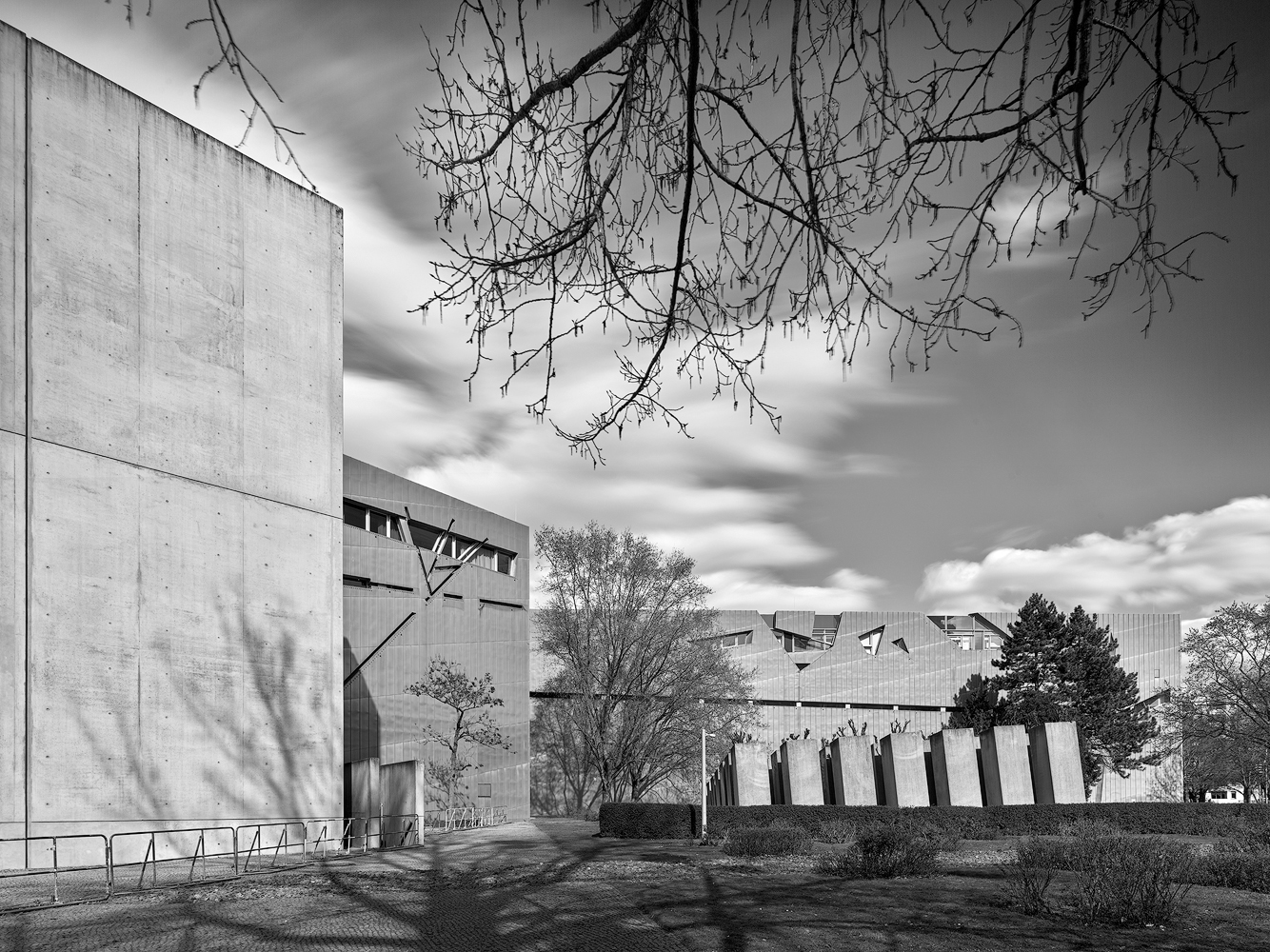
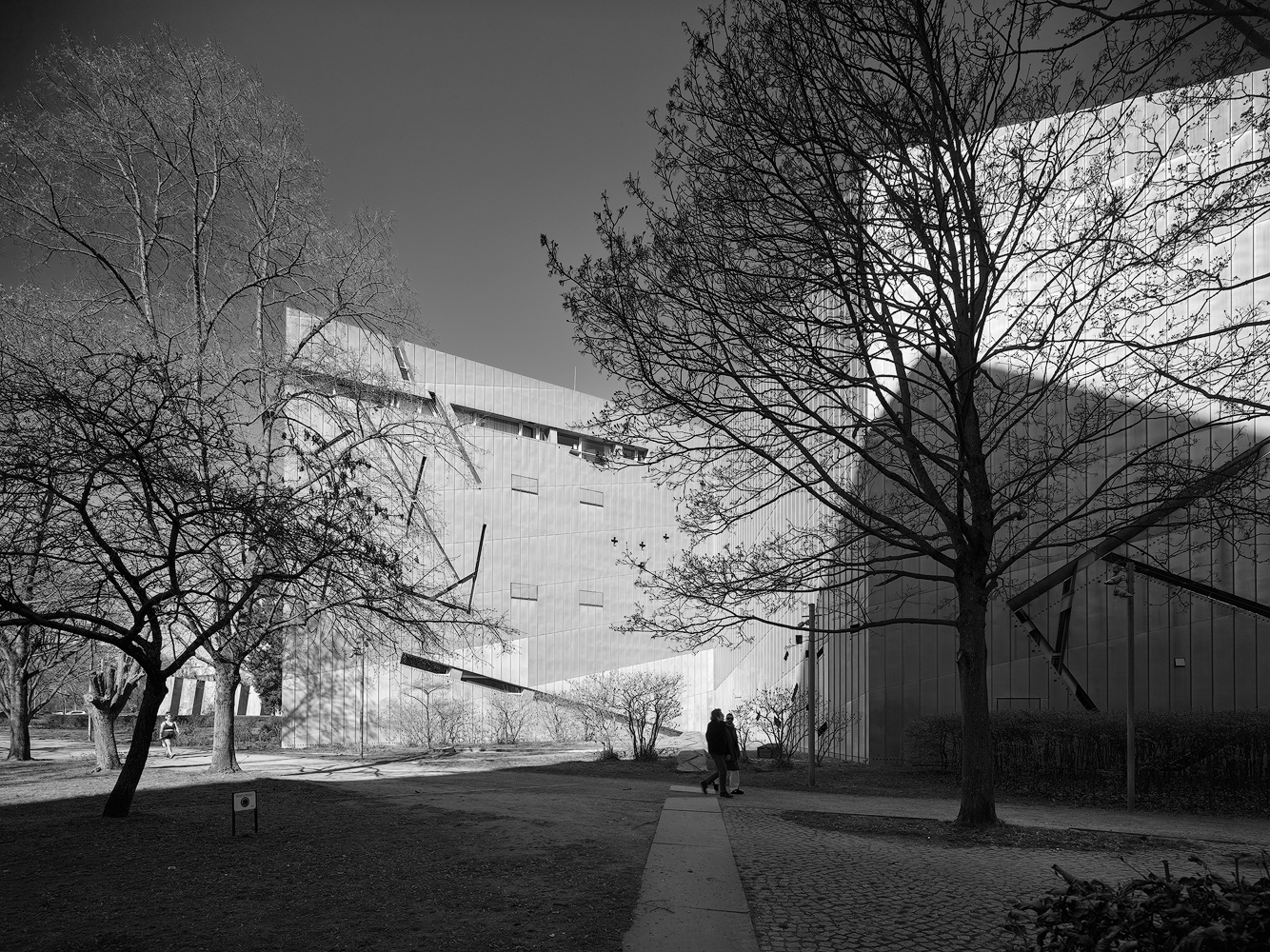
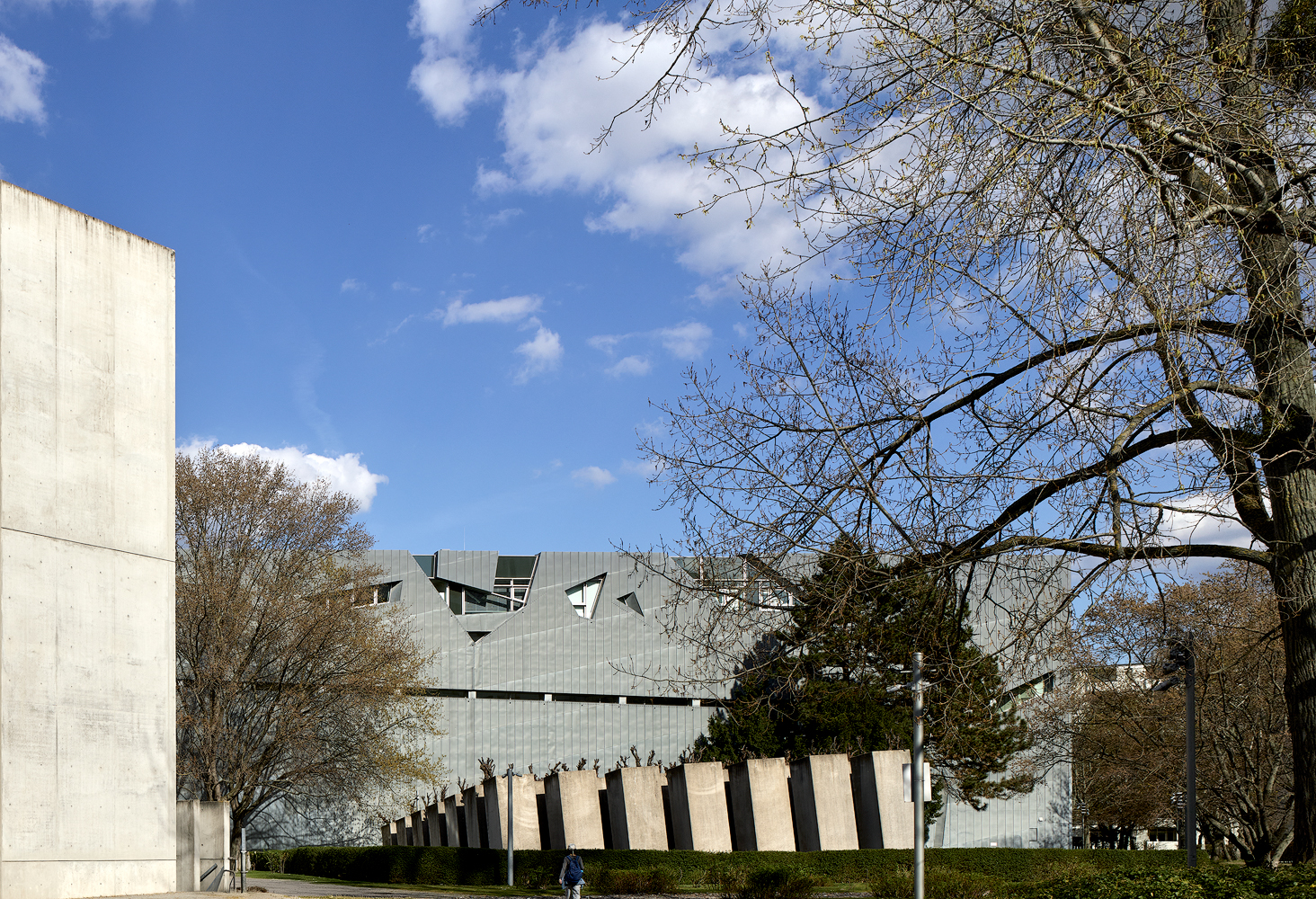
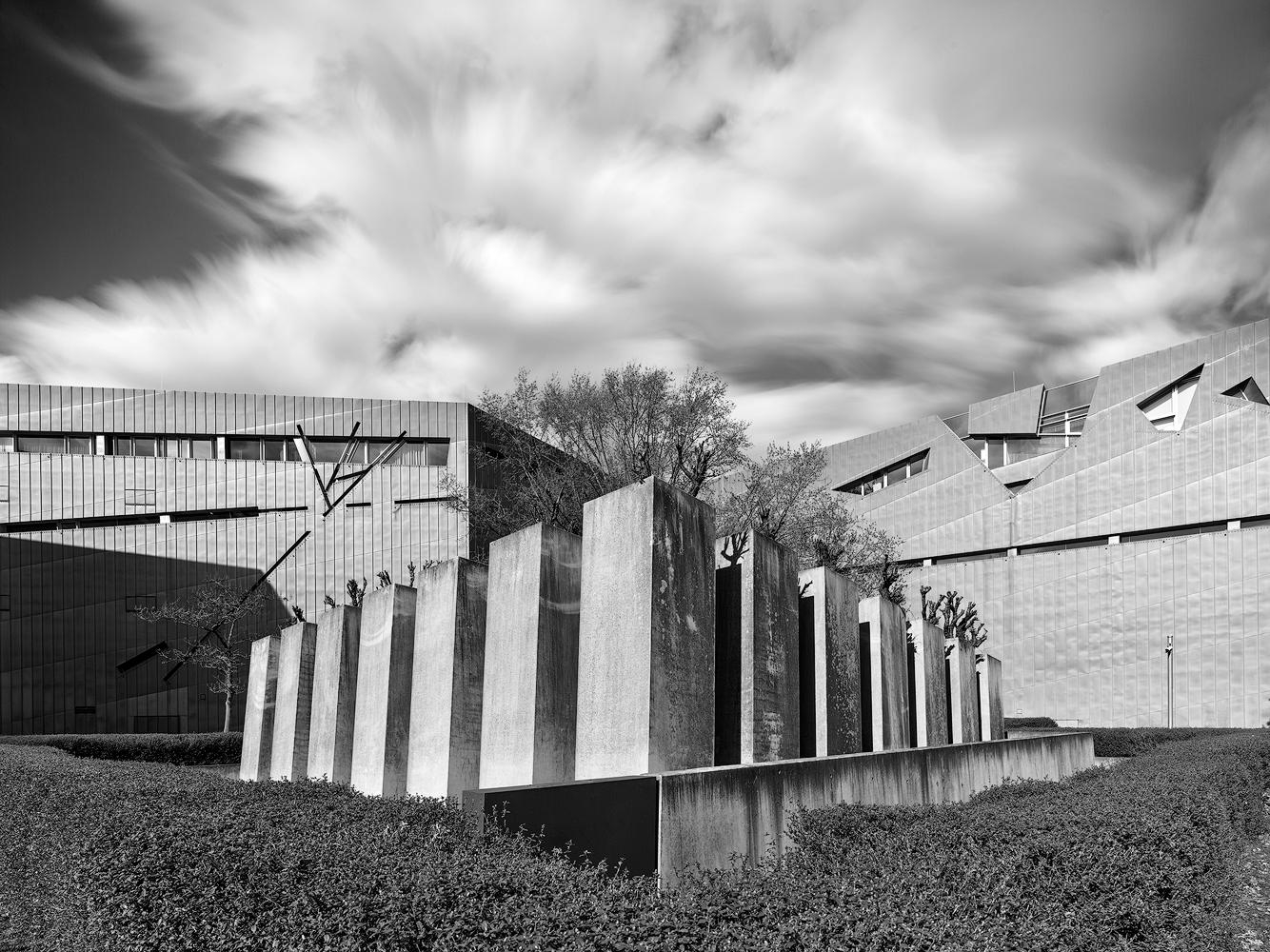
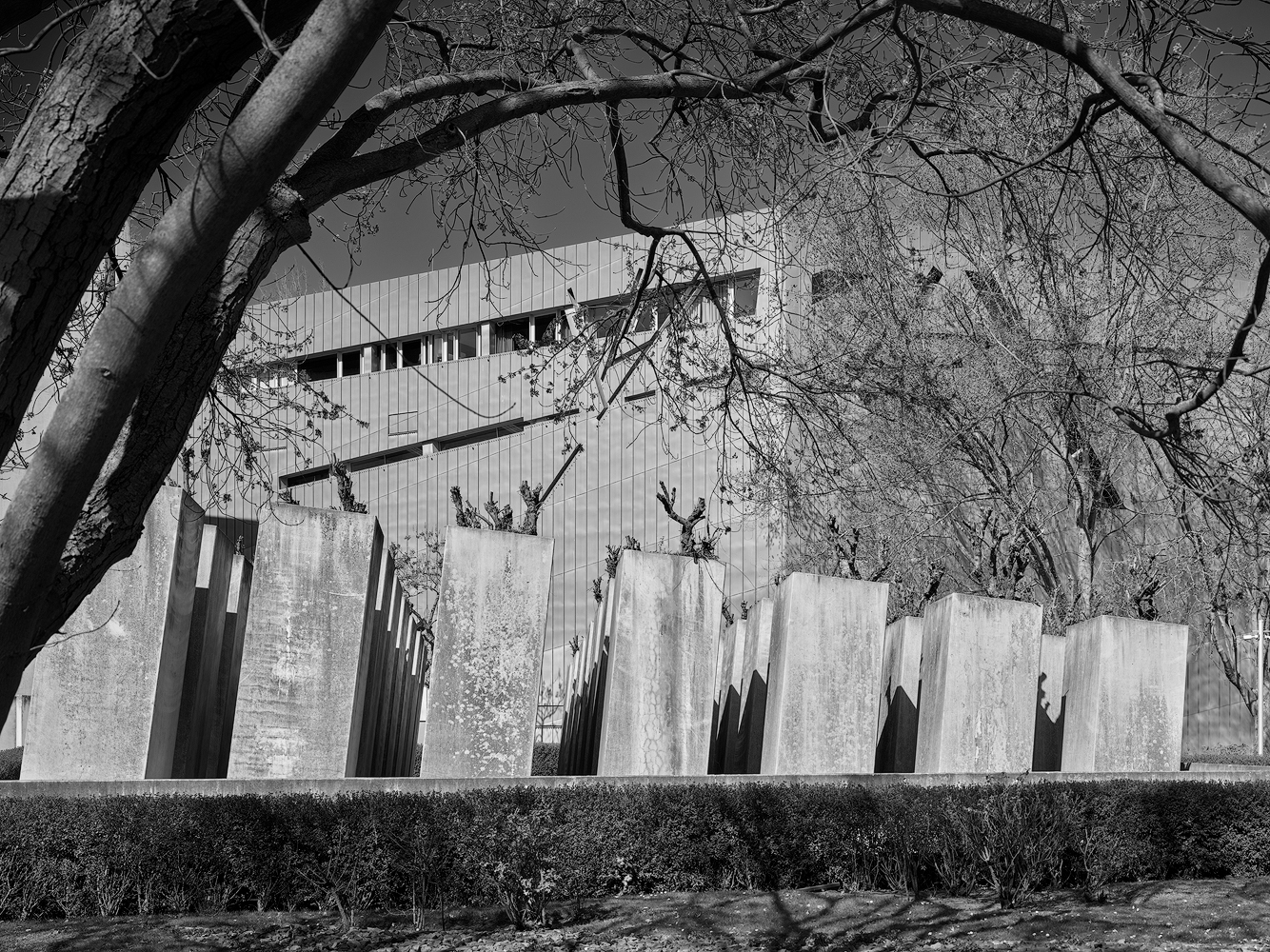
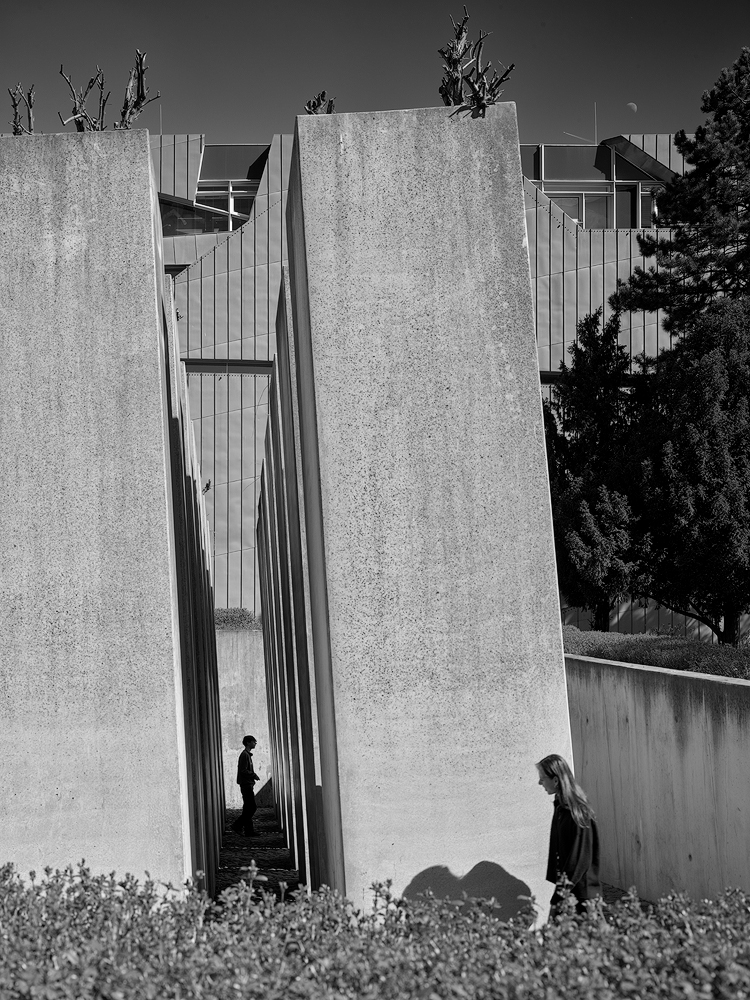
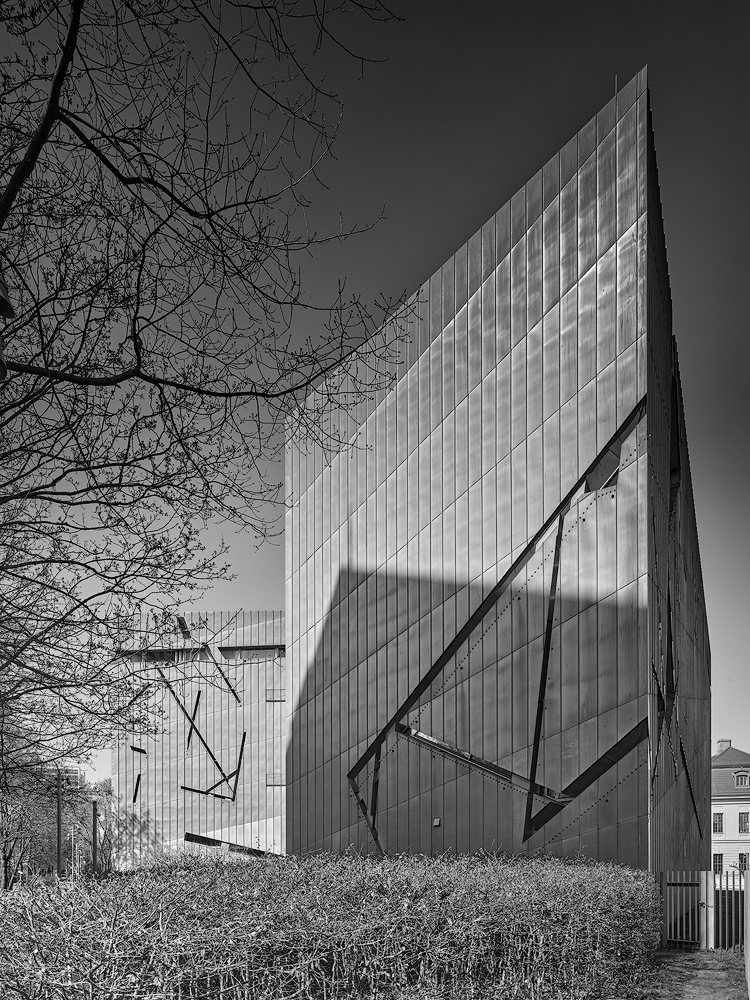
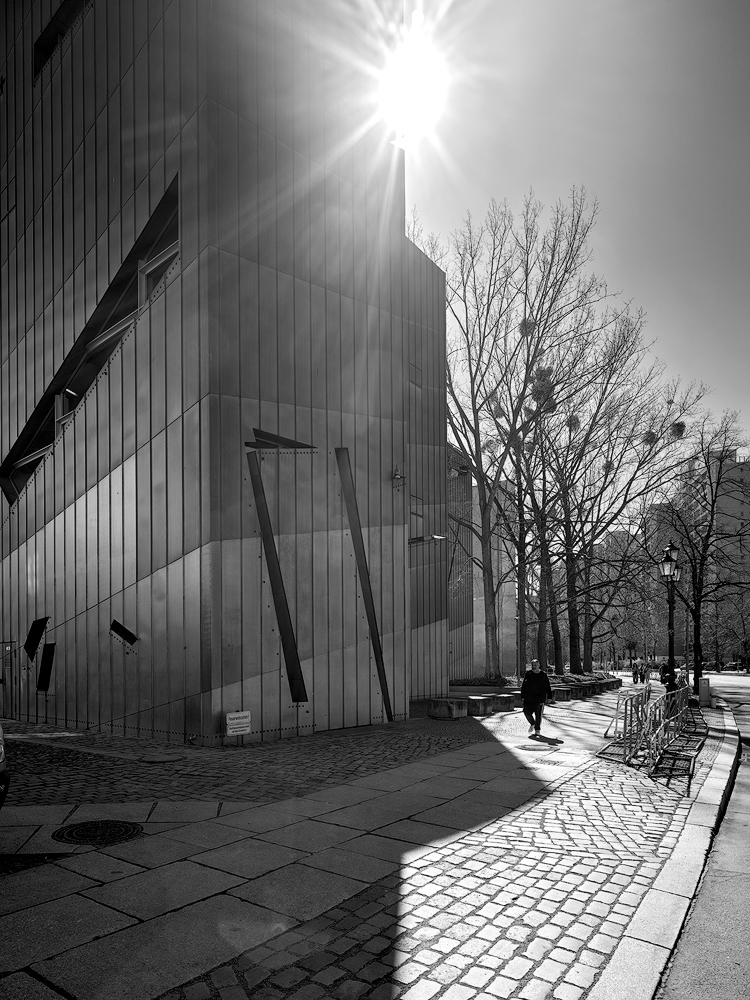
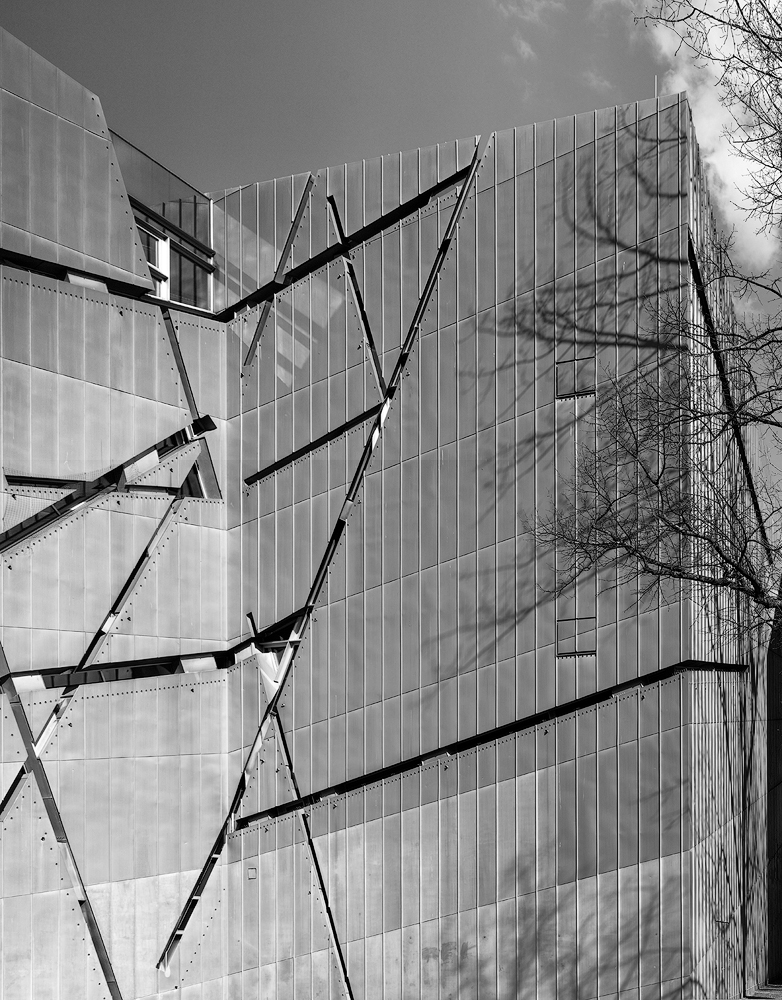
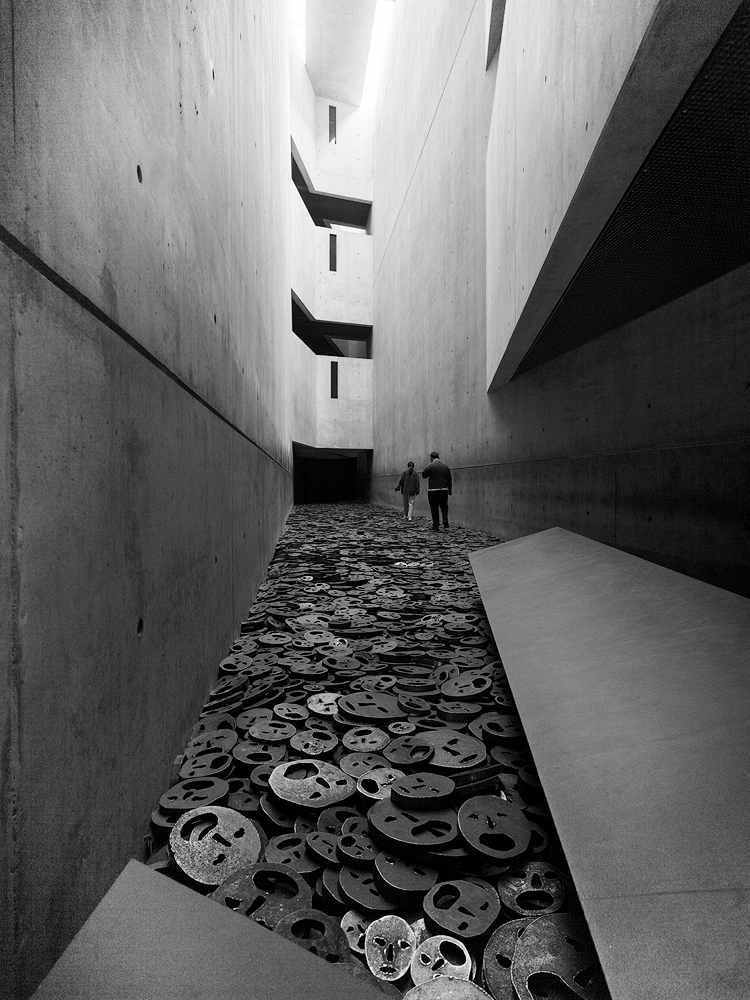
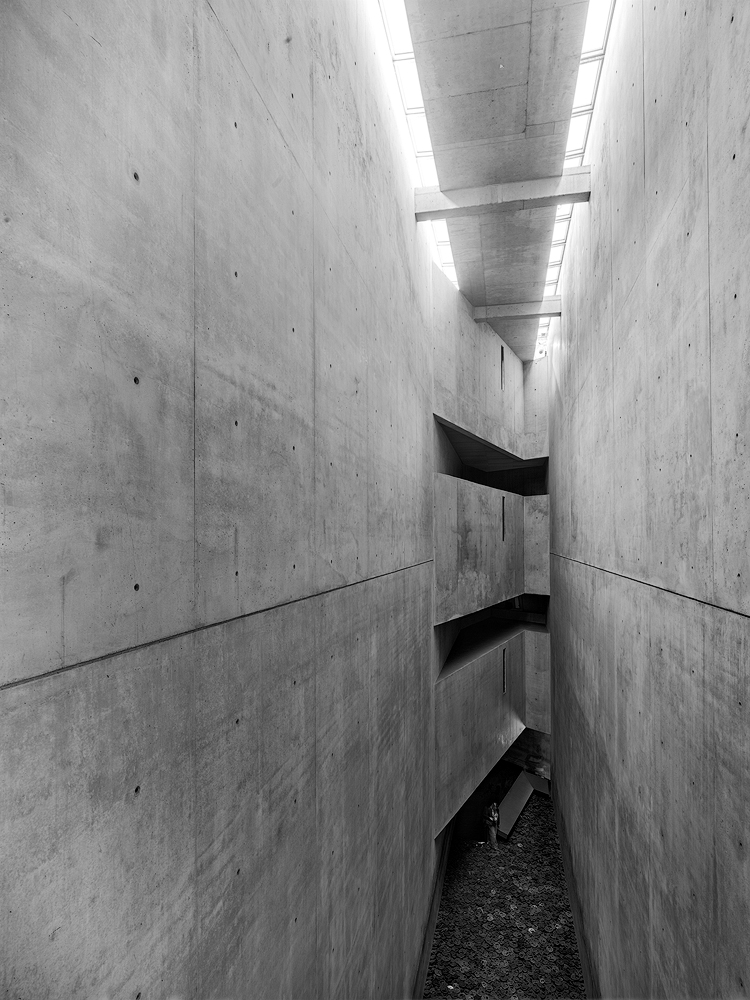
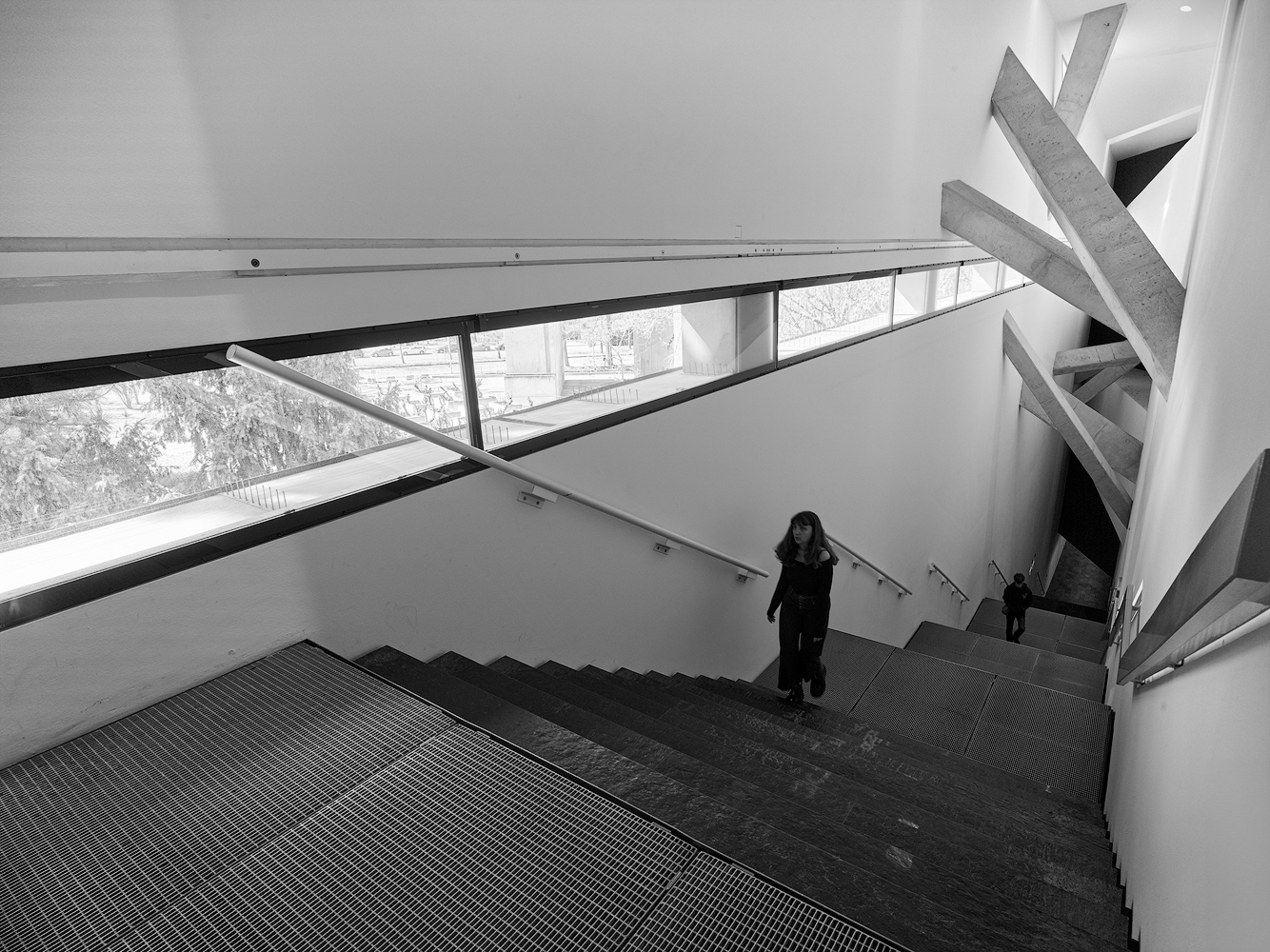
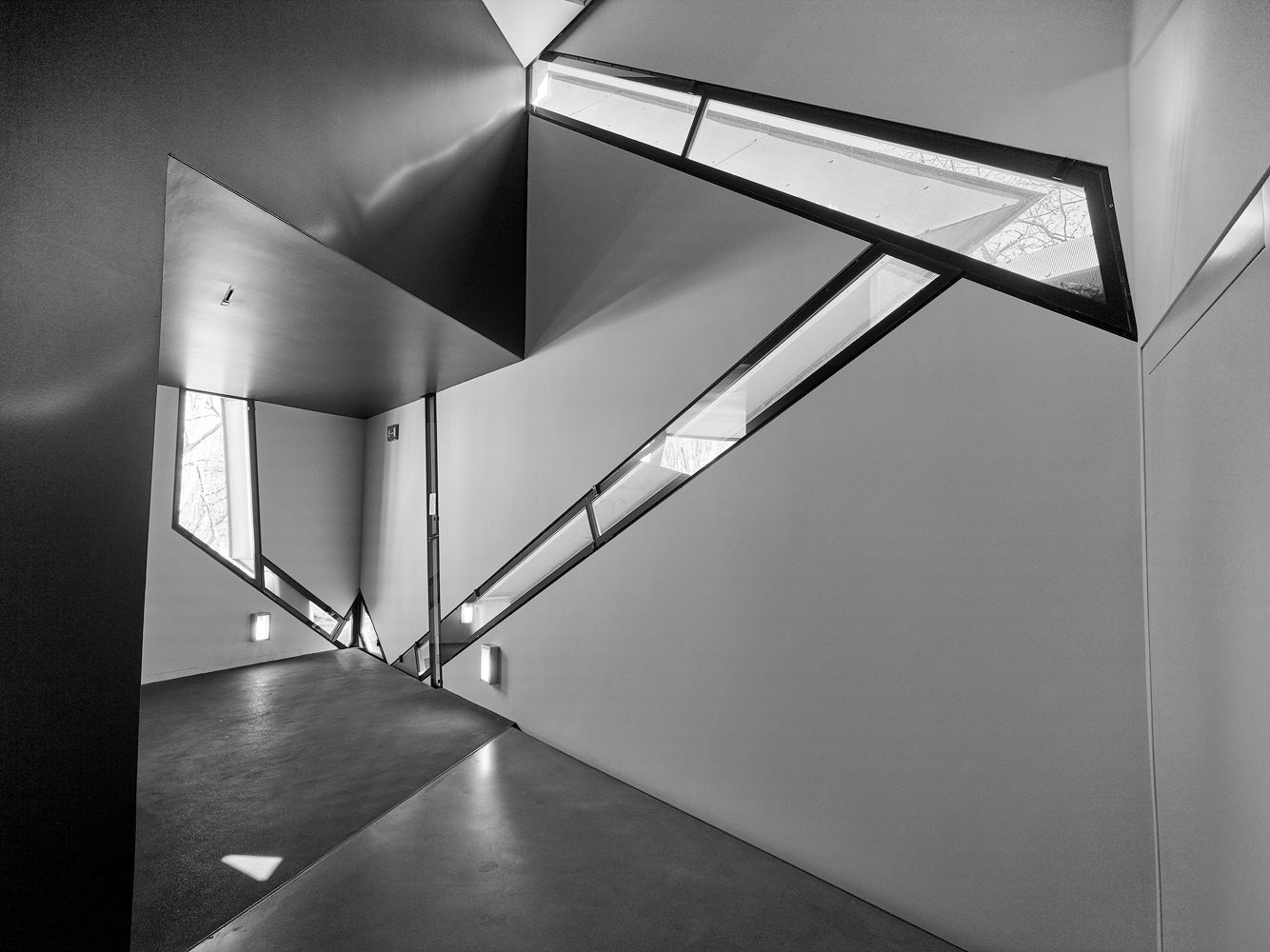
An architectural masterpiece, Daniel Libeskind's spectacular structure has firmly established itself as one of Berlin's most recognizable landmarks. The Jewish Museum,Berlin, which opened to the public in 2001, exhibits the social, political and cultural history of the Jews in Germany from the fourth century to the present, explicitly presenting and integrating, for the first time in postwar Germany, the repercussions of the Holocaust. The new building is housed next to the site of the original Prussian Court of Justice building which was completed in 1735 now serves as the entrance to the new building.

In 1987, the Berlin government organized an anonymous competition for an expansion to the original Jewish Museum in Berlin that opened in 1933. The program wished to bring a Jewish presence back to Berlin after WWII. In 1988, Daniel Libeskind was chosen as the winner among several other internationally renowned architects; his design was the only project that implemented a radical, formal design as a conceptually expressive tool to represent the Jewish lifestyle before, during, and after the Holocaust.

Daniel Libeskind’s design, which was created a year before the Berlin Wall came down, was based on three insights: it is impossible to understand the history of Berlin without understanding the enormous contributions made by its Jewish citizens; the meaning of the Holocaust must be integrated into the consciousness and memory of the city of Berlin; and, finally, for its future, the City of Berlin and the country of Germany must acknowledge the erasure of Jewish life in its history.

pause play prev / next zoom fullscreen show thumbnails
  • Jewish Museum Berlin
  • Jewish Museum Berlin
  • Jewish Museum Berlin
  • Jewish Museum Berlin
  • Jewish Museum Berlin
  • Jewish Museum Berlin
  • Jewish Museum Berlin
  • Jewish Museum Berlin
  • Jewish Museum Berlin
  • Jewish Museum Berlin
  • Jewish Museum Berlin
  • Jewish Museum Berlin
  • Jewish Museum Berlin
  • Jewish Museum Berlin
  • Jewish Museum Berlin
  • Jewish Museum Berlin
  • Jewish Museum Berlin
  • Jewish Museum Berlin
  • Jewish Museum Berlin
  • Jewish Museum Berlin
  • Jewish Museum Berlin
  • Jewish Museum Berlin
  • Jewish Museum Berlin
  • Jewish Museum Berlin
  • Jewish Museum Berlin
  • Jewish Museum Berlin

Copyright © 2017 Harshan Thomson Photography. All rights reserved. MINIMAL

Follow us on TwitterLike us on FacebookFollow us on Instagram
x